
Volunteer scheduling in crisis contact centers has always been an important and challenging topic. Many crisis centers, including, 988 lifelines, community helplines, and mental-health support organizations, rely heavily on volunteers to deliver compassionate, timely assistance. But managing a blended workforce with varying schedules, skill levels, and availability can quickly become overwhelming. When supervisors are juggling spreadsheets, shared calendars, and endless email threads, the result is often coverage gaps, last-minute scrambles, and unnecessary stress.
The good news is that most modern Contact Center as a Service (CCaaS) platforms already include powerful Workforce Management (WFM) capabilities designed to streamline scheduling, forecasting, and operational planning. With the right configuration, these tools can dramatically improve volunteer scheduling processes and ensure that crisis centers maintain consistent coverage during high-stakes moments.
Forecast Demand: Align Volunteer Scheduling and Availability
One of the biggest advantages of using WFM technology is the ability to forecast demand accurately. Instead of guessing when your crisis line will get busy, your leadership team can make informed decisions using real data. WFM tools can reveal: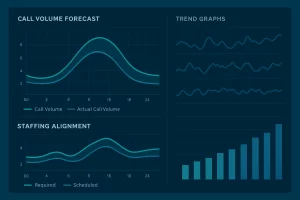
- Hourly and daily call volume trends
- Seasonal or event-driven spikes
- Chat and text traffic patterns
- Volunteer availability compared to demand
When crisis centers schedule volunteers based on actual demand instead of intuition, they ensure the right coverage at the right time. This reduces burnout for core staff, enhances caller experience, and supports long-term sustainability.
Build Fair, Blended Schedules for Staff and Volunteers
 Crisis centers rely on a blended workforce model — full-time staff, part-time employees, interns, and volunteers. Workforce Management platforms are built to support this complexity. With the right setup, WFM tools help crisis centers:
- Distribute shifts equitably
- Match volunteers based on skill level or training
- Respect preferences without risking coverage
- Minimize scheduling conflicts
This fair and transparent scheduling approach strengthens staff morale and improves volunteer retention, which is essential for organizations that depend on ongoing community support.
Give Volunteers Simple, Mobile-Friendly Access to Shifts
 Volunteers should be able to engage easily — without navigating complicated apps or multiple systems. Most CCaaS platforms now offer mobile-friendly scheduling portals, allowing volunteers to:
- View upcoming shifts from their phone
- Update availability in seconds
- Request or swap shifts
- Stay connected with supervisor updates
Removing barriers to participation encourages consistency and reduces administrative overhead. When scheduling is easy, volunteers stay involved and supervisors are happy.
Reduce Manual Tracking and Last-Minute Coverage Gaps
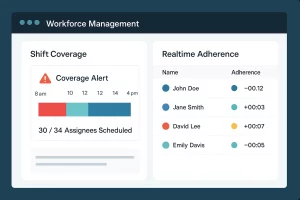 Manual scheduling inevitably leads to blind spots — especially during evenings, weekends, holidays, emergencies, or unexpected spikes in volume. WFM automations help crisis centers avoid these issues by:
- Identify coverage gaps early
- Trigger alerts when shifts are understaffed
- Reduce last-minute “all-call” emails
- Ensure reliable support during critical periods
Using the shrinkage module inside your WFM tool and maintaining a “What-If” operations document ensures organizations are ready for sudden fluctuations. With fewer surprises, supervisors can focus their time on coaching, quality monitoring, and caller well-being.
How Interact Strategies Helps Crisis Centers
We specialize in helping crisis centers, 988 organizations, and helplines get more from the CCaaS platforms they already use. Instead of suggesting costly system replacements, we streamline your existing Workforce Management tools to support volunteers, staff, and supervisors more effectively.
We are familiar with Improving volunteer scheduling practices and reduce shrinkage using the Workforce Management tools already inside your CCaaS platform.
- WFM configuration for crisis-line workflows
- Volunteer-friendly shift and scheduling tools
- Supervisor dashboards and workload visibility
- Process improvements and workflow automation
- Training and onboarding support
Our goal is simple: help crisis centers save time, improve coverage reliability, and reduce operational stress — all while maintaining a high-quality experience for the callers and communities they serve.